
Practical guides to CSR law and programme design, and data on where India's CSR goes, with a special focus on Bihar.

More than a decade of mandated CSR has changed the sector. Eight trends for 2026: multi-year programmes, impact assessment, underserved geographies and more.

Official MCA data shows CSR in Bihar nearly tripled to ₹260.53 crore in four years, yet the state still receives about 1% of India's state-attributed CSR.

A plain-English guide to Corporate Social Responsibility under Section 135 of the Companies Act, 2013: who must spend, how much, on what, and how it is reported.

The three thresholds that make CSR mandatory under Section 135 (net worth, turnover and net profit), how they apply, and common questions answered.
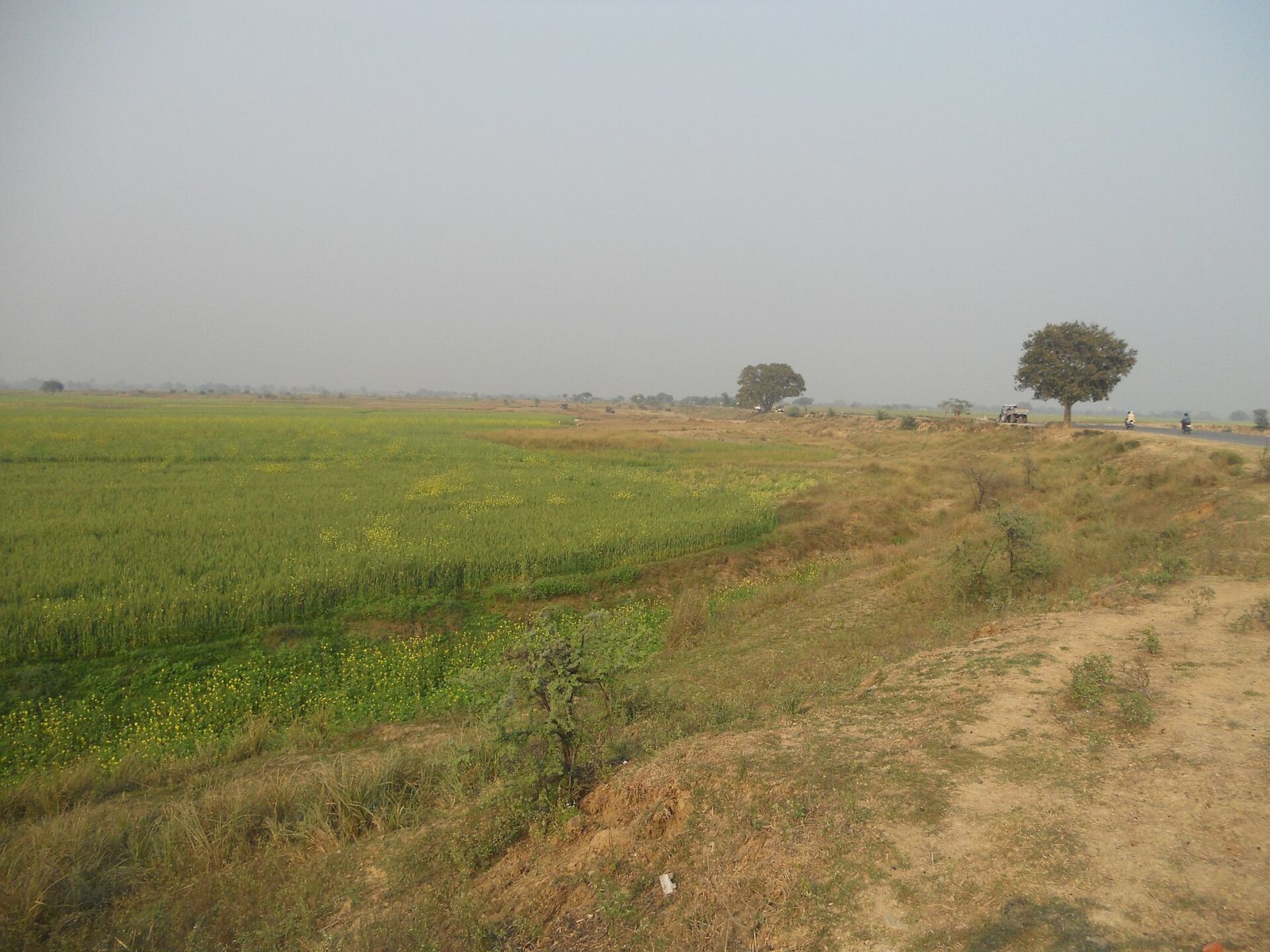
CSR follows company headquarters and plants. We explain why Bihar gets about ₹25 of CSR per person, and the practical steps that could change it.

Step-by-step: how to work out the 2% CSR spend under Section 135 using average net profit, with an example and common mistakes to avoid.

Patna and Muzaffarpur received 35% of Bihar's CSR in FY 2023-24, while 12 districts received under ₹1 crore each. A district-by-district look at the gaps.

A clear guide to the activities eligible for CSR under Schedule VII of the Companies Act, plus the activities that do not qualify.

NITI Aayog's Aspirational Districts Programme identifies India's most underdeveloped districts. Here is why they are an ideal focus for CSR, with Bihar as a case study.
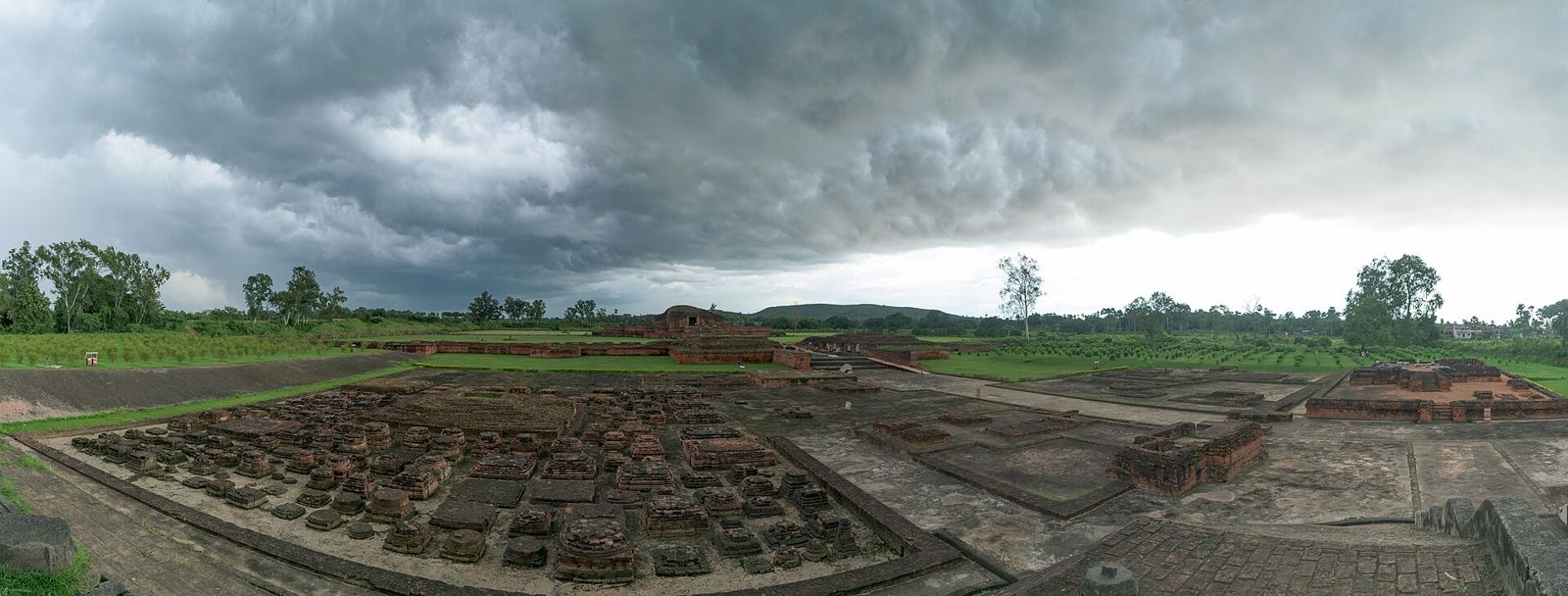
What happens to CSR money you do not spend in the year: ongoing projects, the Unspent CSR Account, the 3-year deadline and transfers to Schedule VII funds.
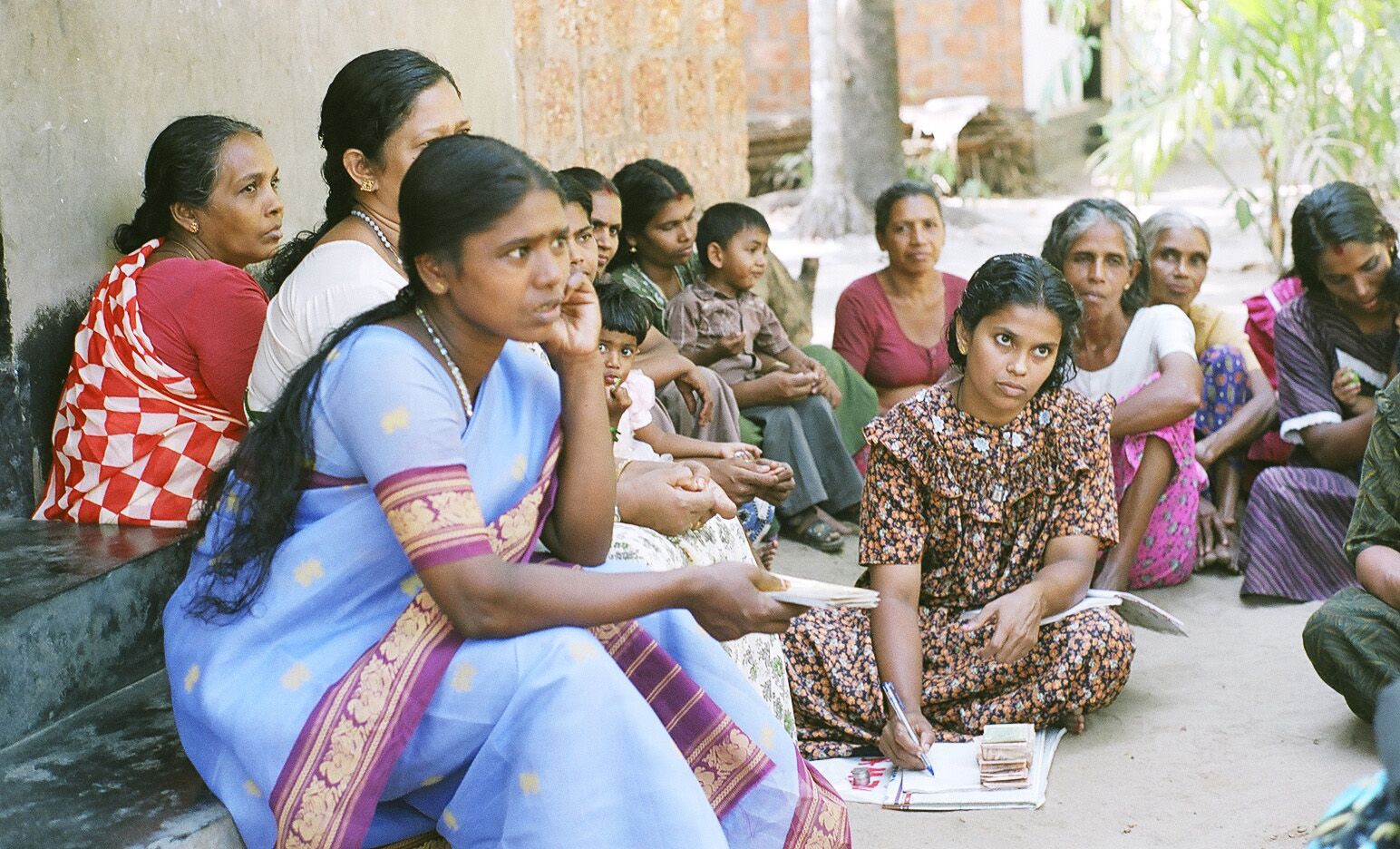
Why NGOs need Form CSR-1 to receive CSR funds, who is eligible, the documents required, and how to become a stronger CSR partner.

Stunting in early childhood is largely irreversible. How CSR can tackle malnutrition through anganwadis, maternal care and anaemia programmes, with Bihar's data.

Which companies must commission CSR impact assessments, the cost limits, and how to design an assessment that measures outcomes, not just outputs.
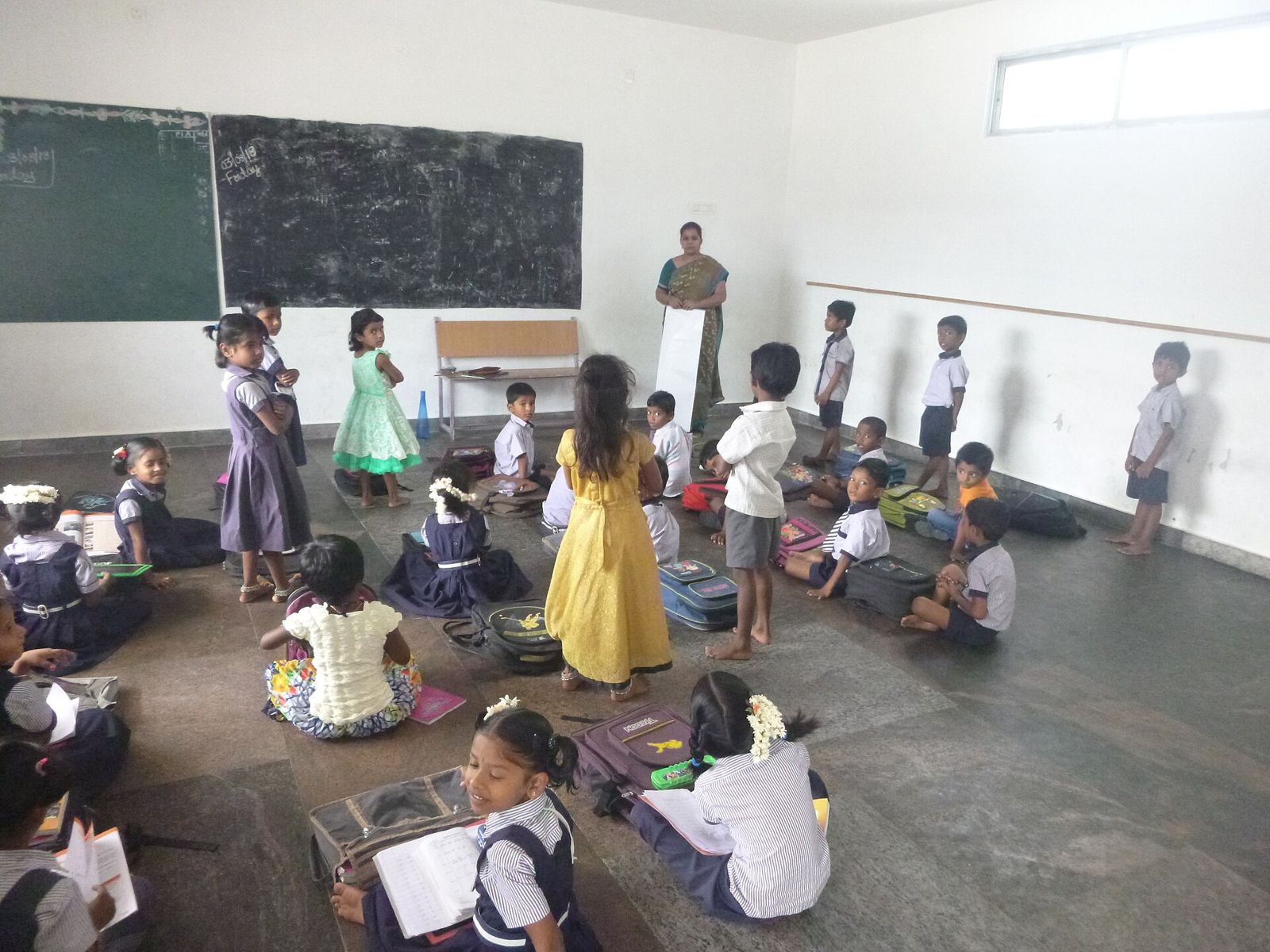
Many CSR education budgets go to buildings and scholarships. The evidence points to early-grade reading and maths as the highest-impact investment.

Why primary healthcare is where CSR health budgets can achieve the most, and how to design PHC upgrade, mobile clinic and screening programmes.

Too many skilling programmes count trainees, not jobs. How to design CSR skilling projects with real placement and earnings outcomes.

Bihar is India's most flood-prone state, yet its flood-belt districts receive little CSR. How CSR can shift from relief to resilience.
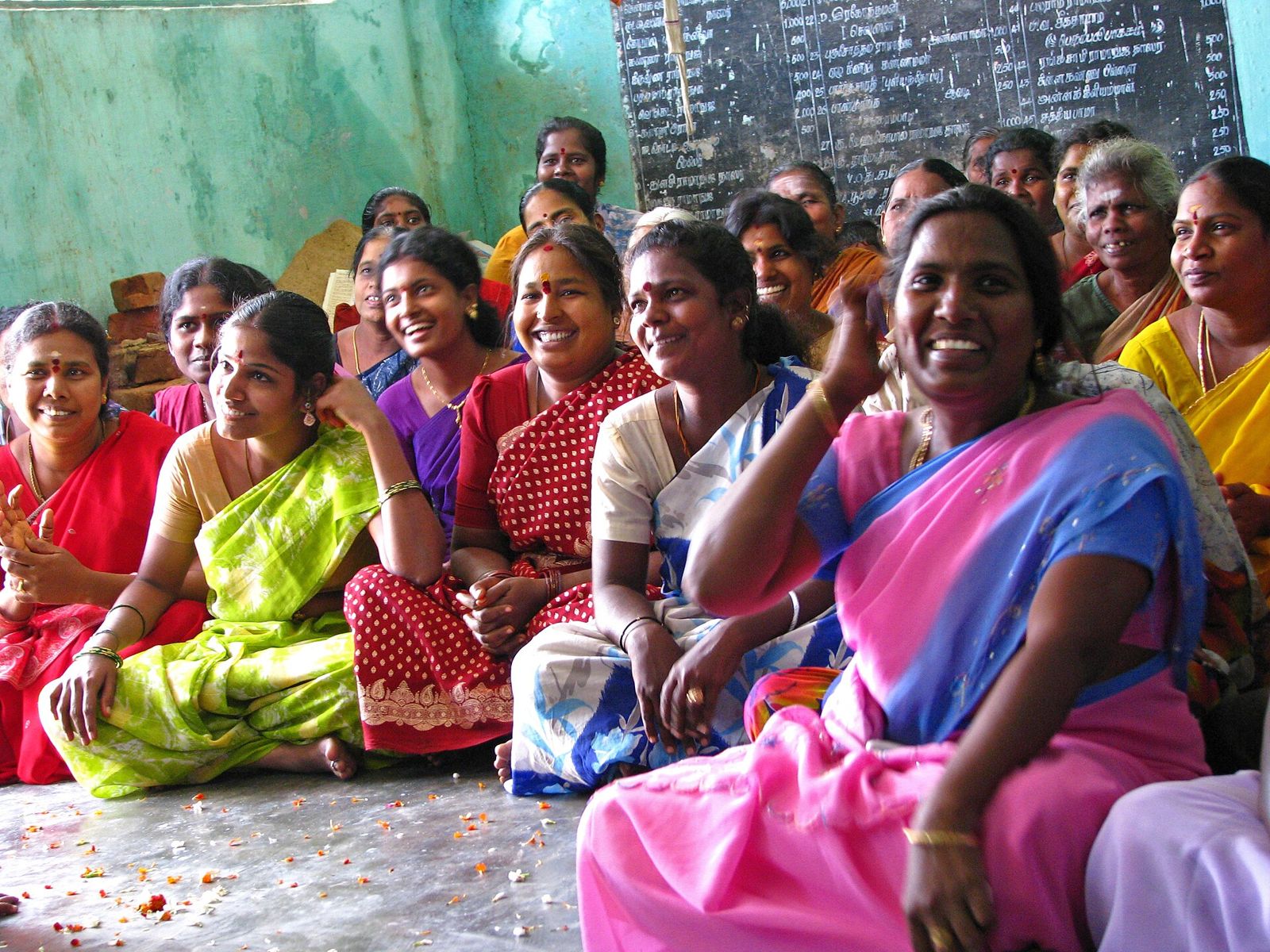
How CSR can turn women's self-help groups into thriving enterprises, from Madhubani art to food processing, by building on networks like JEEViKA.
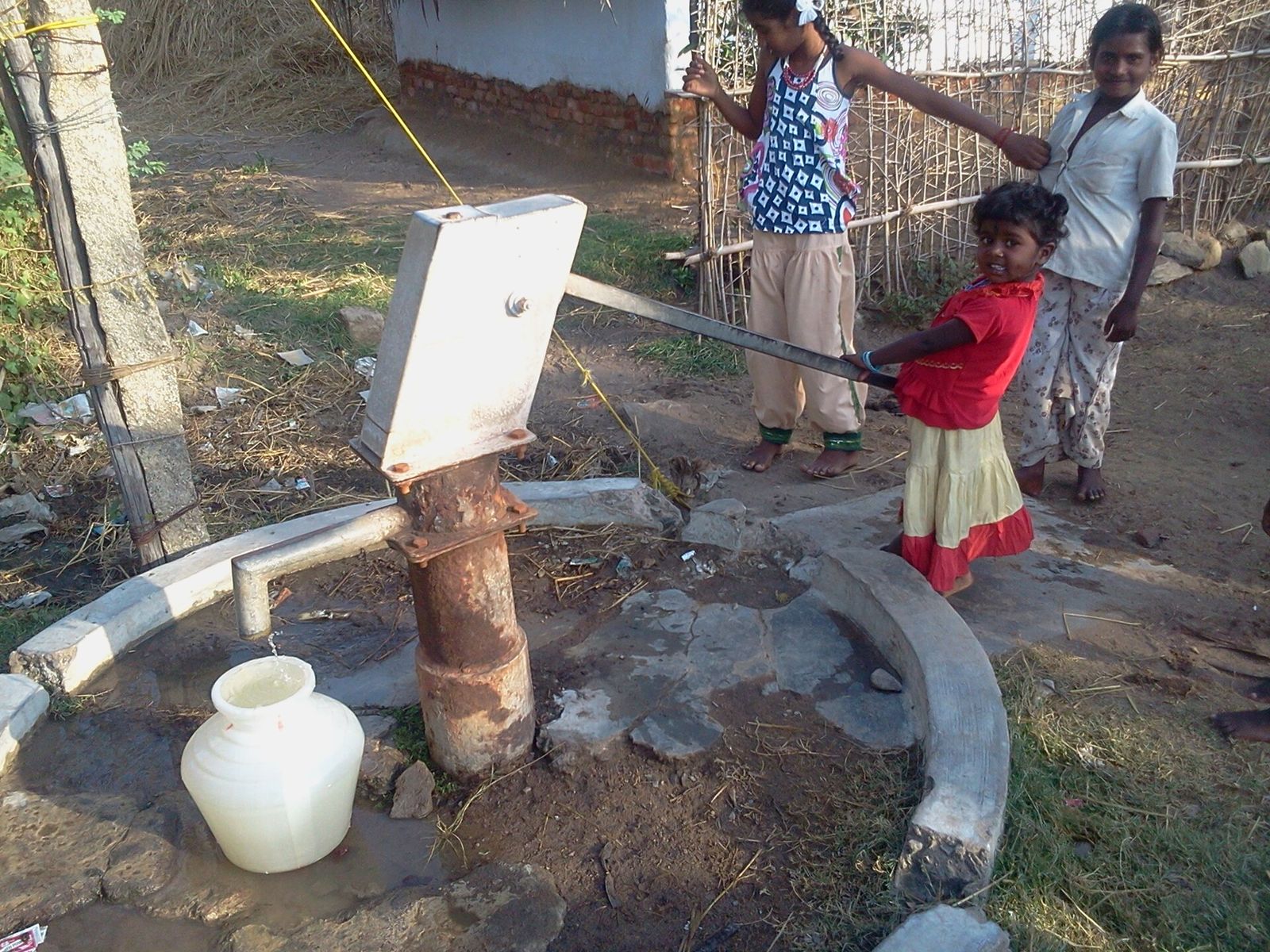
Arsenic-contaminated groundwater affects districts along the Ganga in Bihar. How CSR water projects can deliver safe water that lasts.
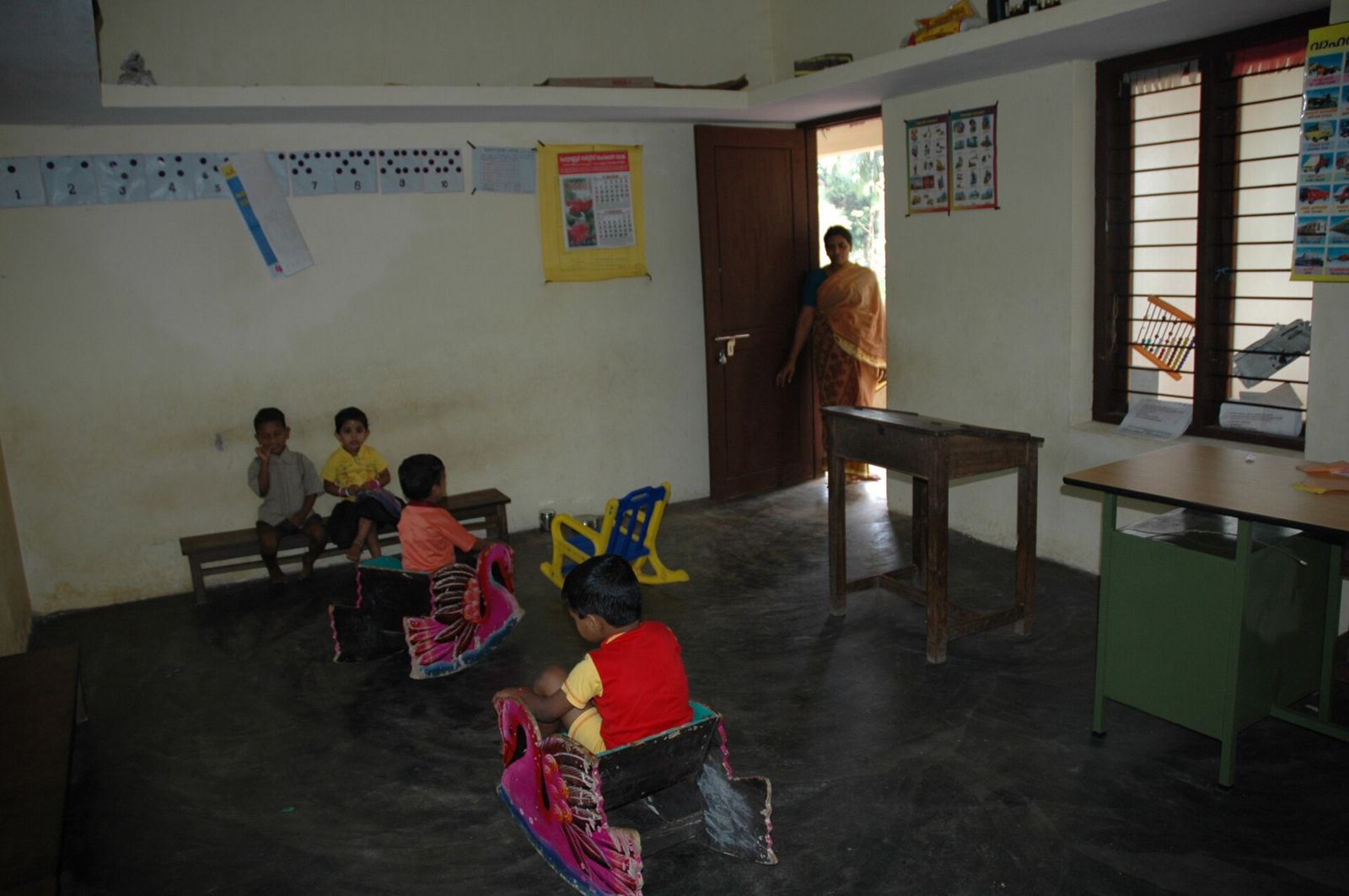
A practical checklist for CSR teams selecting an NGO partner: legal eligibility, governance, finances, track record, field capacity and reporting.

What a CSR policy must contain under the 2021 rules, how to draft an annual action plan, and how to turn both into a focused strategy.
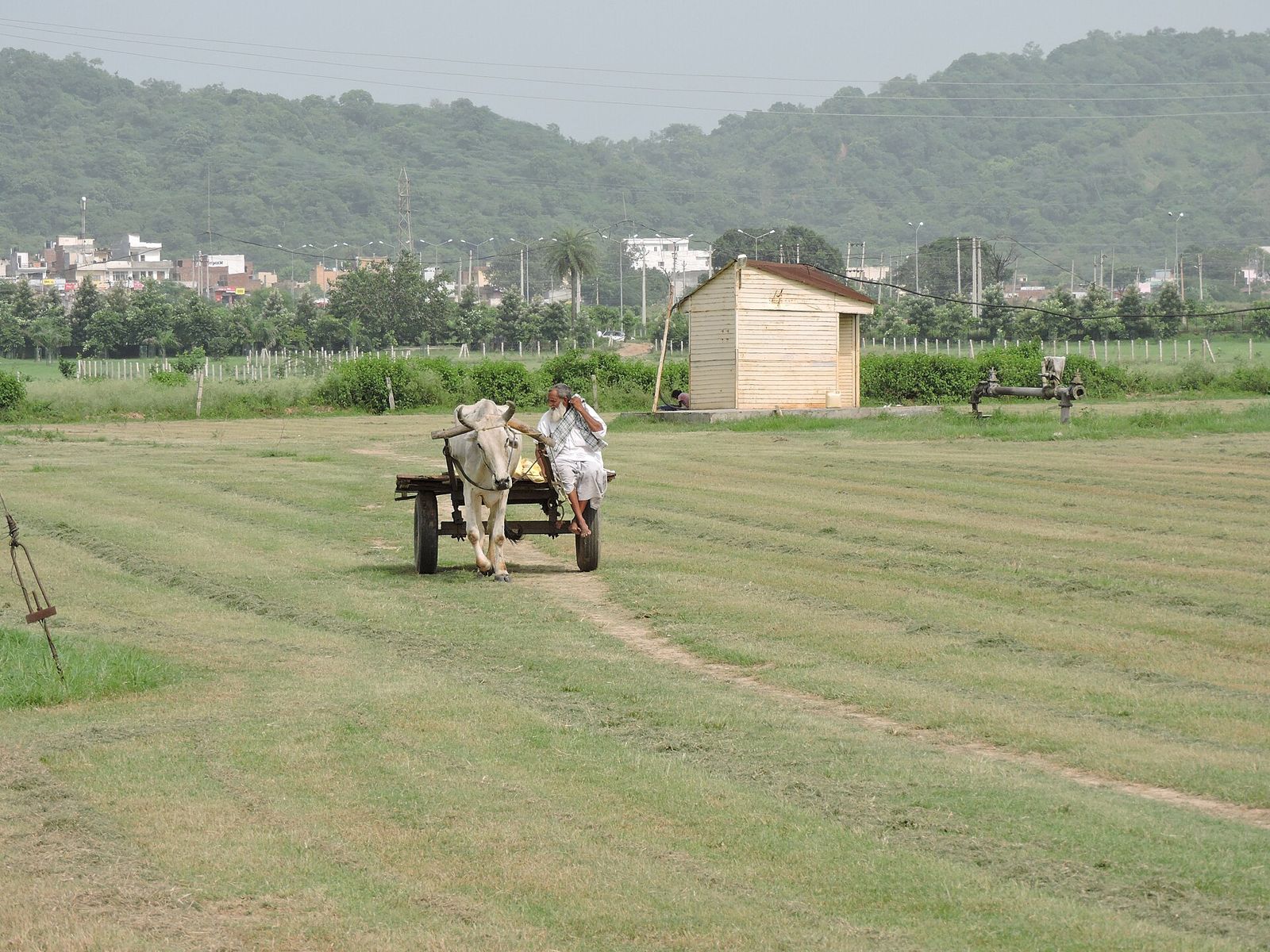
How pooled CSR funds and collaboratives let companies co-invest in larger, multi-year programmes, and how to structure one so every funder stays compliant.

Most CSR reports count activities. The best measure change in people's lives. A practical guide to outcome indicators for common CSR programmes.

What companies must disclose about CSR: the annual report on CSR in the board's report, website disclosures and Form CSR-2 filed with the MCA.

How companies and state governments can align CSR with public schemes, and why facilitation cells, project banks and conclaves attract more CSR.