CSR for Women's Empowerment: Building on Self-Help Groups
How CSR can turn women's self-help groups into thriving enterprises, from Madhubani art to food processing, by building on networks like JEEViKA.
Women's economic participation is one of the strongest drivers of family wellbeing: better nutrition, more schooling for children and greater resilience to shocks. Yet in many Indian states, few women work for pay.
A ready foundation: self-help groups
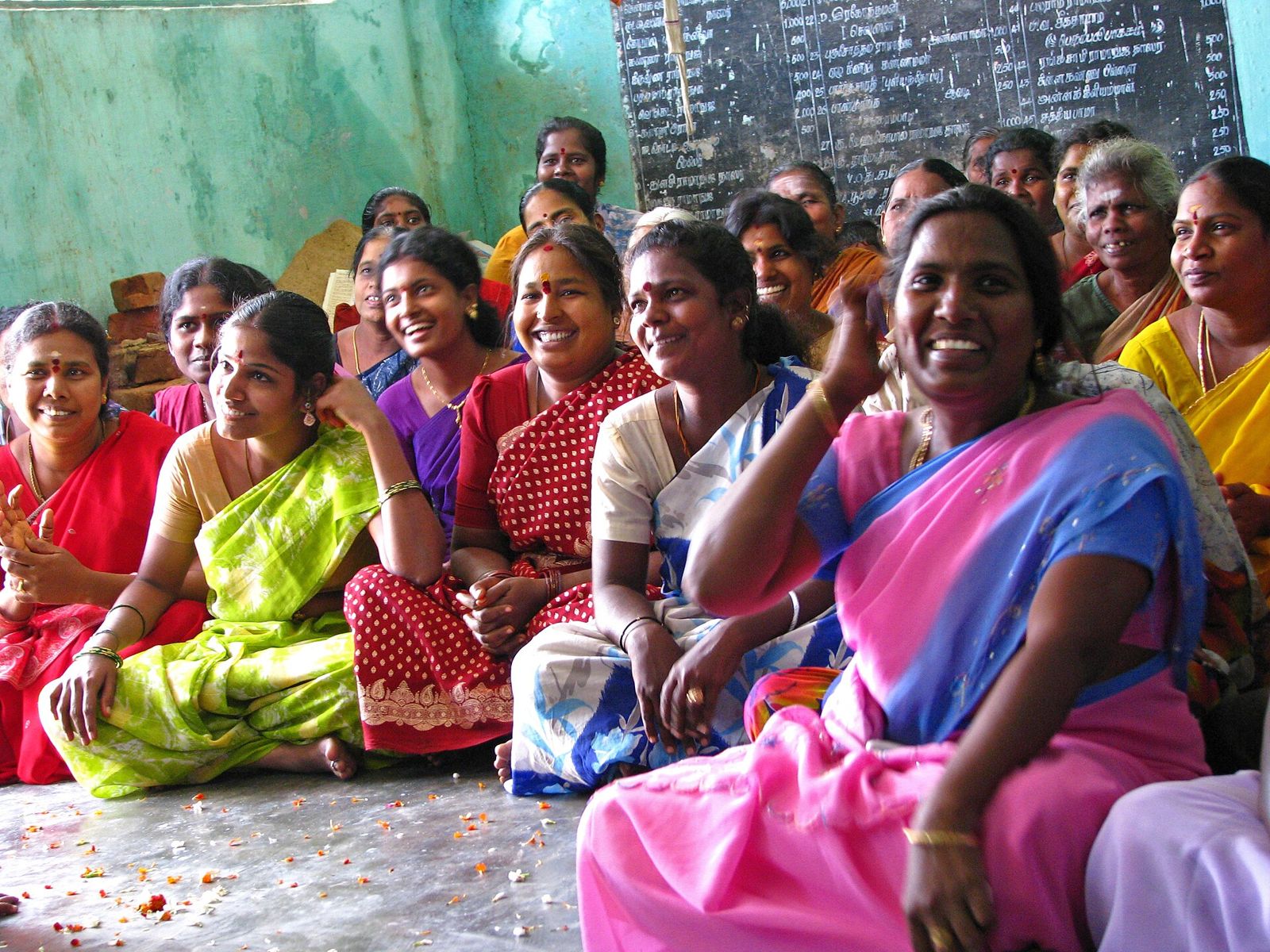
Across India, crores of women are organised into self-help groups (SHGs) under the National Rural Livelihoods Mission. In Bihar, the state's rural livelihoods mission, JEEViKA, has mobilised more than one crore women into SHGs. These groups already save, lend and meet regularly. What many lack is the support to grow from small-scale activity into real enterprises.
Where CSR can help
- Enterprise development: business training, product design and quality standards.
- Producer companies: helping SHGs federate so that they can buy inputs and sell outputs at scale.
- Market access: branding, packaging, e-commerce listings and links to corporate supply chains.
- Working capital and equipment: grants or blended finance for machinery.
- Childcare: crèches that free women's time for work.
Bihar's craft and food traditions
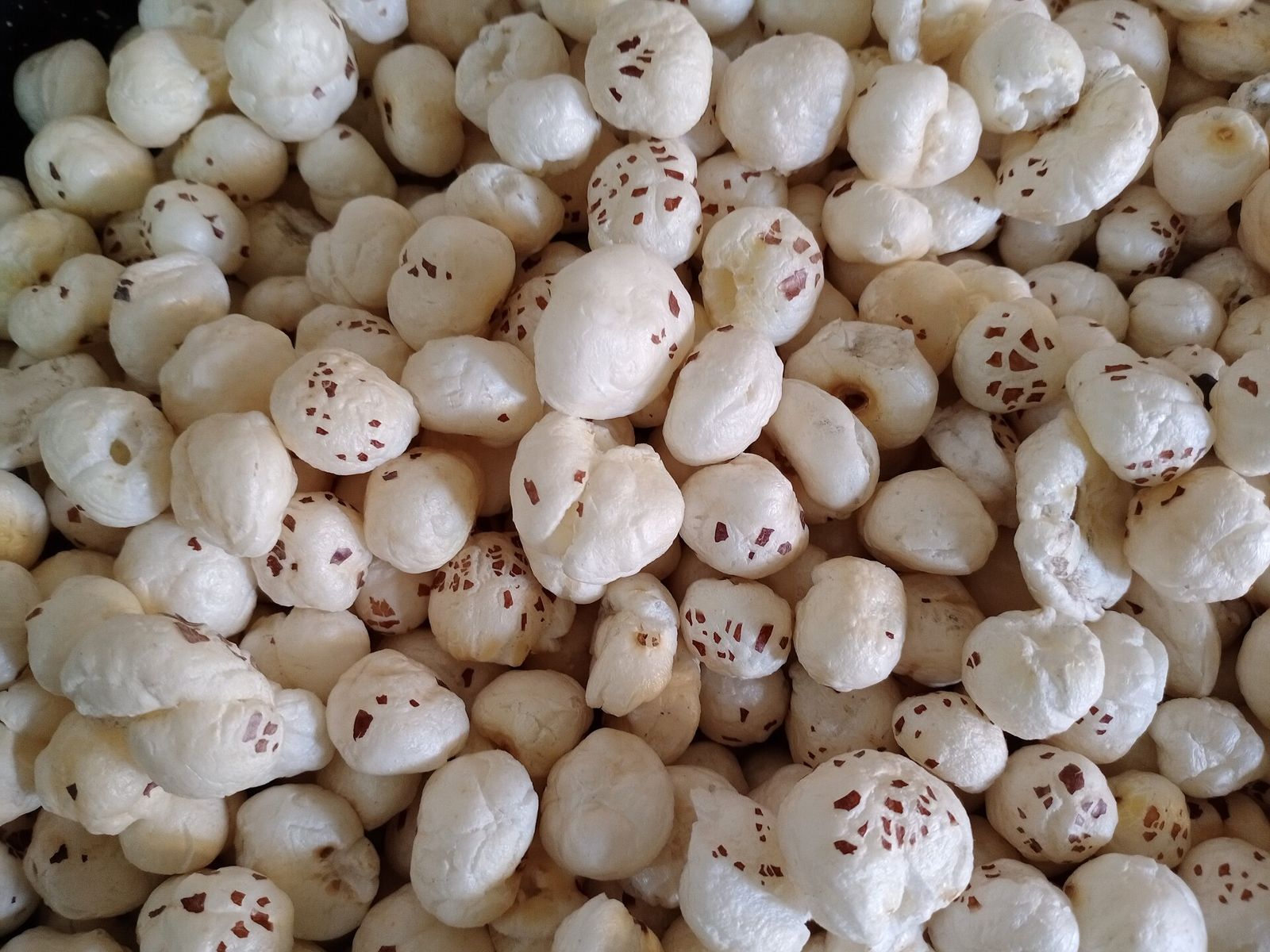
Bihar is home to world-renowned crafts such as Madhubani (Mithila) painting and Sikki grass work, and to food products such as makhana. Women-led producer groups in these value chains can earn significantly more with better design, branding and access to buyers.
Measuring empowerment
Track household income, women's own earnings, savings and decision-making, not just the number of women trained.
Orvys's Didi Udyam model supports 1,000 women entrepreneurs over two years. Partner with us.