Skilling and Livelihood CSR Projects That Actually Lead to Jobs
Too many skilling programmes count trainees, not jobs. How to design CSR skilling projects with real placement and earnings outcomes.
Vocational skills and livelihoods are a major Schedule VII category, and a popular one with companies. But many skilling programmes measure success by the number of people trained rather than the number who end up in decent jobs.
The migration challenge
In states like Bihar, which has India's lowest per-capita income and a very young population, millions of young people migrate each year for low-wage, informal work. Skilling that leads to stable jobs, closer to home where possible, can change family fortunes.
What makes skilling work
- Start with demand. Train for roles that employers are actually hiring for, ideally with hiring commitments up front.
- Mix technical and soft skills: workplace communication, digital literacy and financial literacy.
- Include on-the-job training or apprenticeships.
- Support people after placement, through the first months of a new job and, for those who migrate, with help settling in a new city.
- Track earnings at three, six and twelve months.
Beyond jobs: enterprise
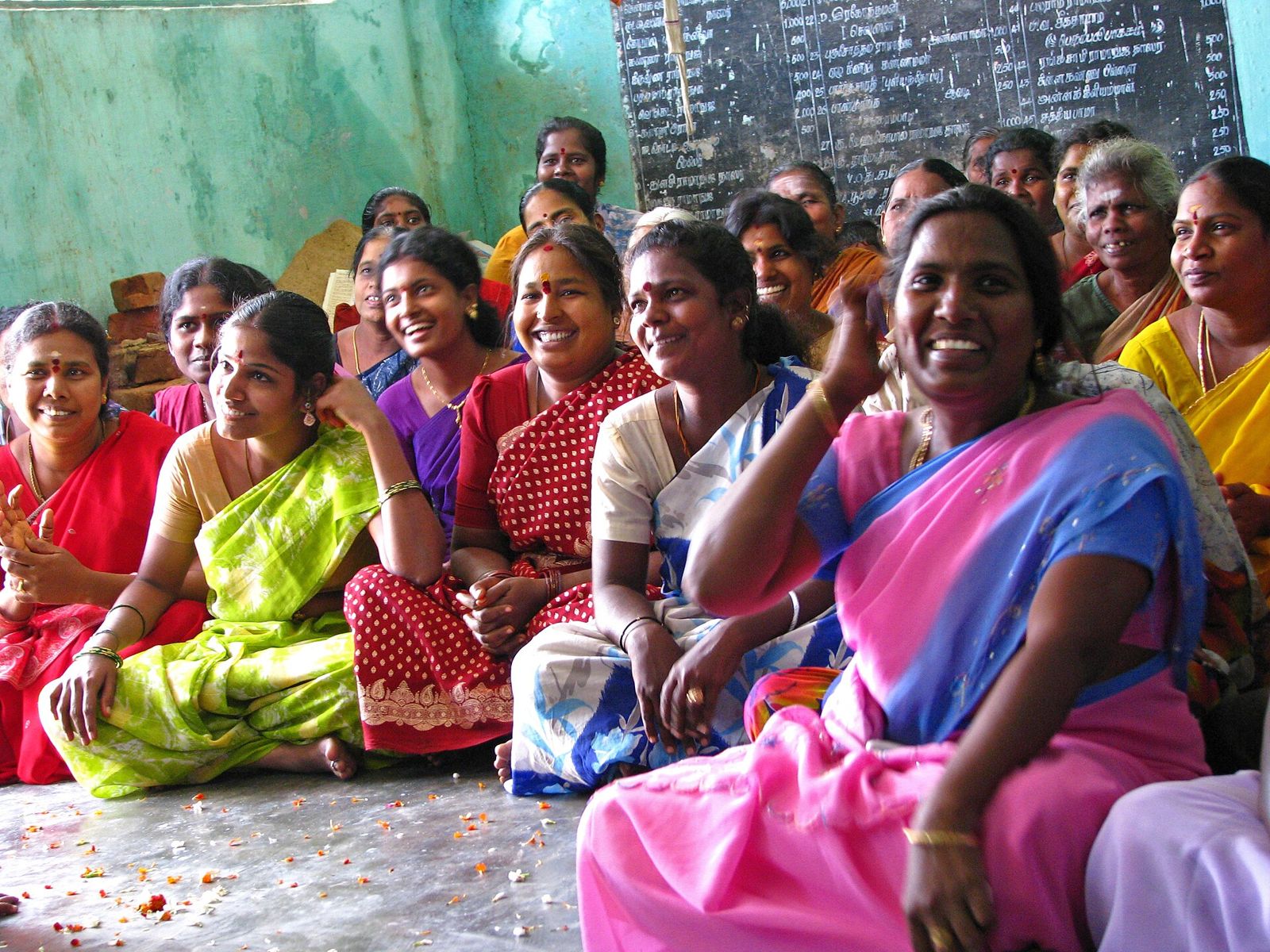
For many rural households, the best livelihood is a local enterprise: agri-processing, dairy, handicrafts or services. CSR can provide training, equipment, market links and working capital through women's self-help groups. See CSR for women's enterprise.
Measuring success
| Weak metric | Strong metric |
|---|---|
| Number trained | Share placed within 3 months |
| Certificates issued | Share still employed after 12 months |
| Job offers made | Change in monthly household income |
Orvys's Hunar Bihar model targets 70% placement, with earnings tracked over time. Partner with us.