CSR for Disaster Resilience: Preparing Bihar's Flood-Prone Villages
Bihar is India's most flood-prone state, yet its flood-belt districts receive little CSR. How CSR can shift from relief to resilience.
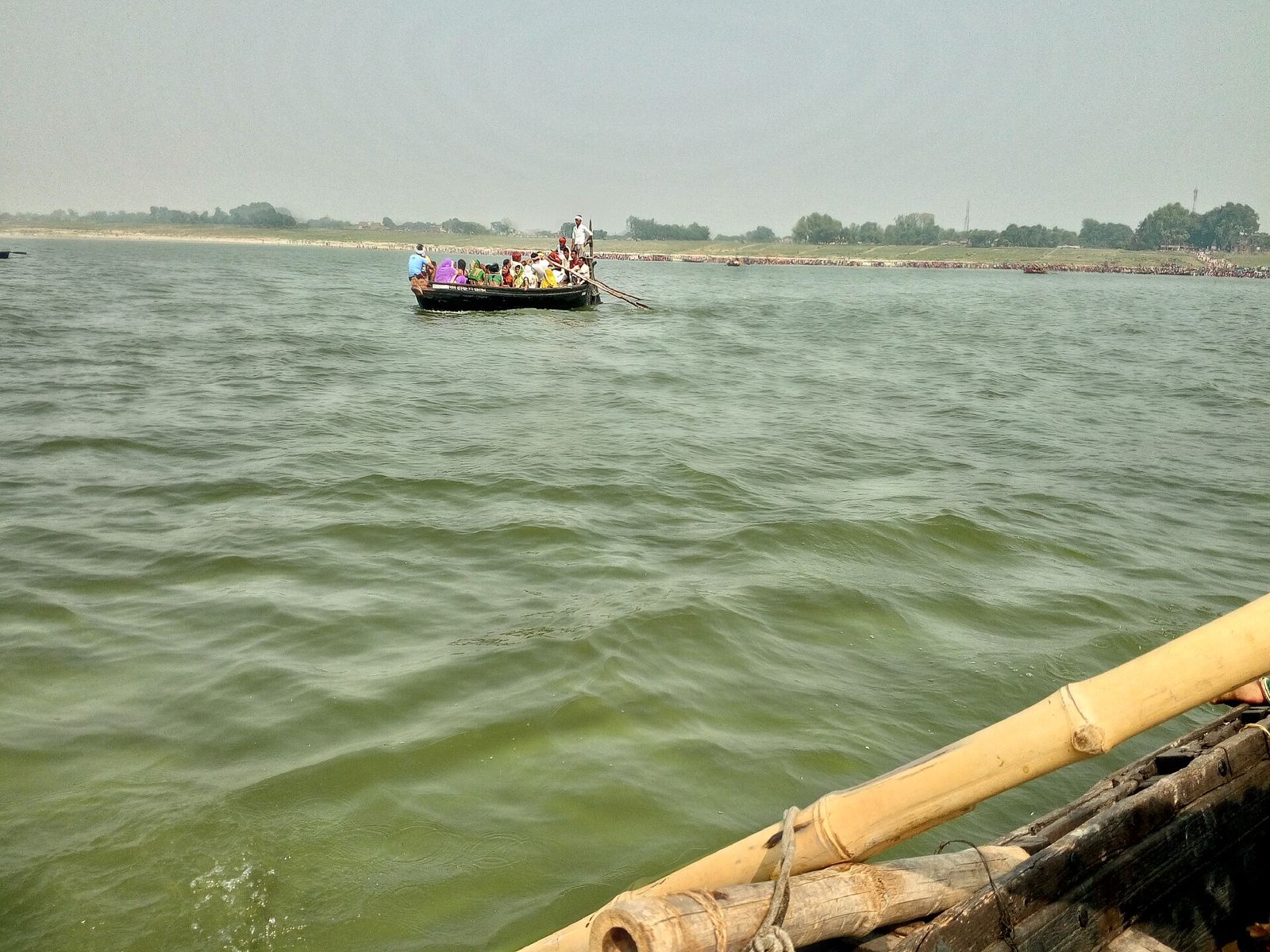
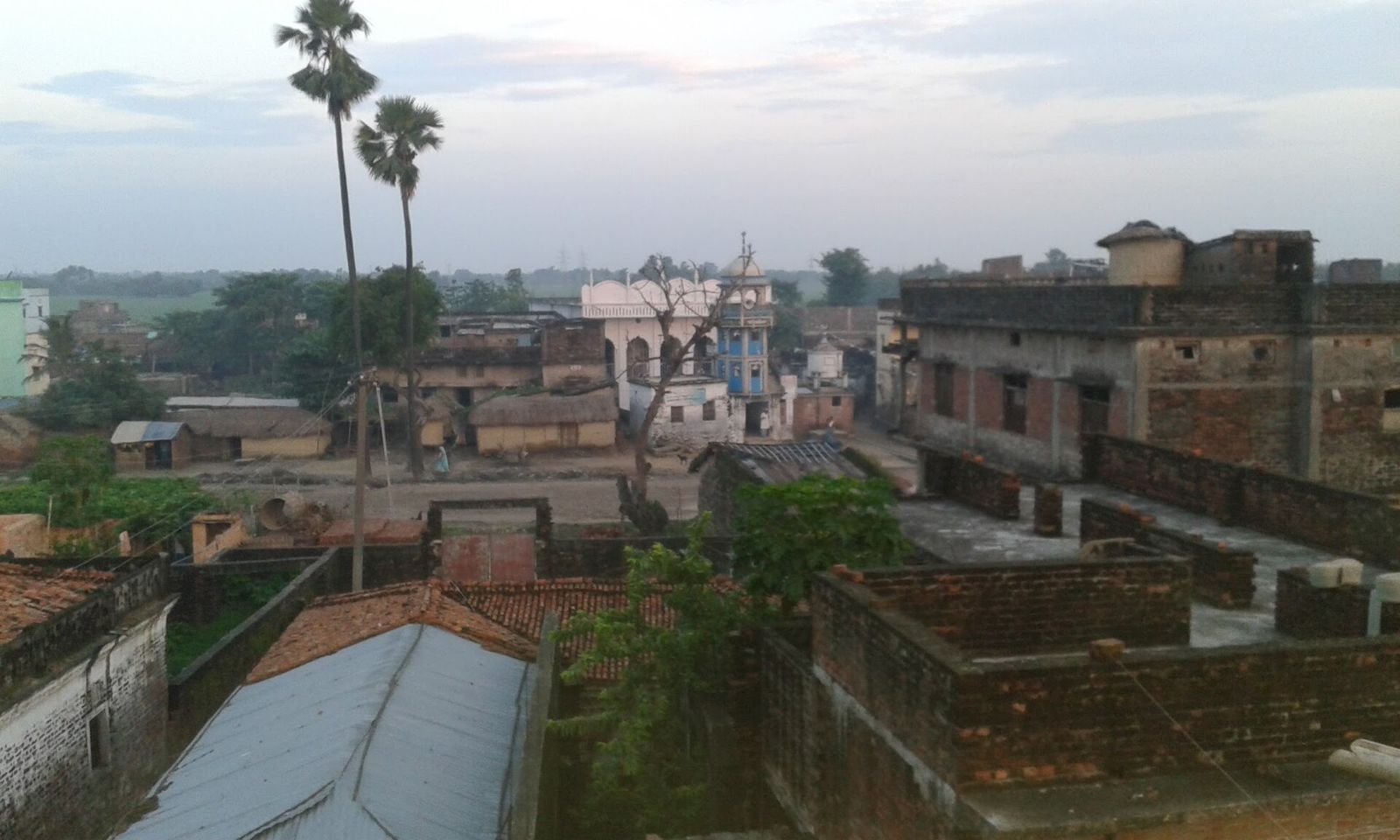
Every monsoon, the Kosi, Gandak, Bagmati and Mahananda rivers flood large parts of north Bihar. Homes, crops and livestock are lost, schools close and families fall back into debt. Bihar is widely described as India's most flood-prone state, and the Kosi has long been called the "Sorrow of Bihar".
Relief is not enough
Most disaster-related CSR arrives as relief after a flood: food packets, tarpaulins and medicines. Relief saves lives, but it does not reduce the damage next year. Resilience means investing before the flood, so that communities lose less and recover faster.
The funding gap
In FY 2023-24, the seven Kosi and Seemanchal districts (Araria, Katihar, Kishanganj, Purnia, Saharsa, Supaul and Madhepura) received just ₹8.92 crore of CSR combined, according to MCA data.
What resilience CSR looks like
- Community early-warning systems: river-level alerts reaching every household through trained volunteers and mobile phones.
- Village disaster-response teams trained in search, rescue and first aid.
- Raised shelters with hand pumps, toilets and stored supplies, used as schools or community halls in dry months.
- Flood-resilient housing on raised plinths.
- Seed and fodder banks, so that farmers can replant quickly after floods.
- Safe water: raised hand pumps and water treatment to prevent outbreaks after floods.
Climate adaptation in the south
South Bihar faces the opposite problem: drought and heatwaves in districts such as Gaya, Nawada and Aurangabad. Water harvesting, pond revival, solar irrigation and climate-smart farming are strong CSR fits there.
Eligible under Schedule VII
Disaster management, including relief, rehabilitation and reconstruction, and environmental sustainability are both Schedule VII categories.
Orvys's Surakshit Kosi model makes clusters of 25-50 villages flood-ready over three years. Discuss a programme.