CSR for Child Nutrition: Why the First 1,000 Days Matter Most
Stunting in early childhood is largely irreversible. How CSR can tackle malnutrition through anganwadis, maternal care and anaemia programmes, with Bihar's data.
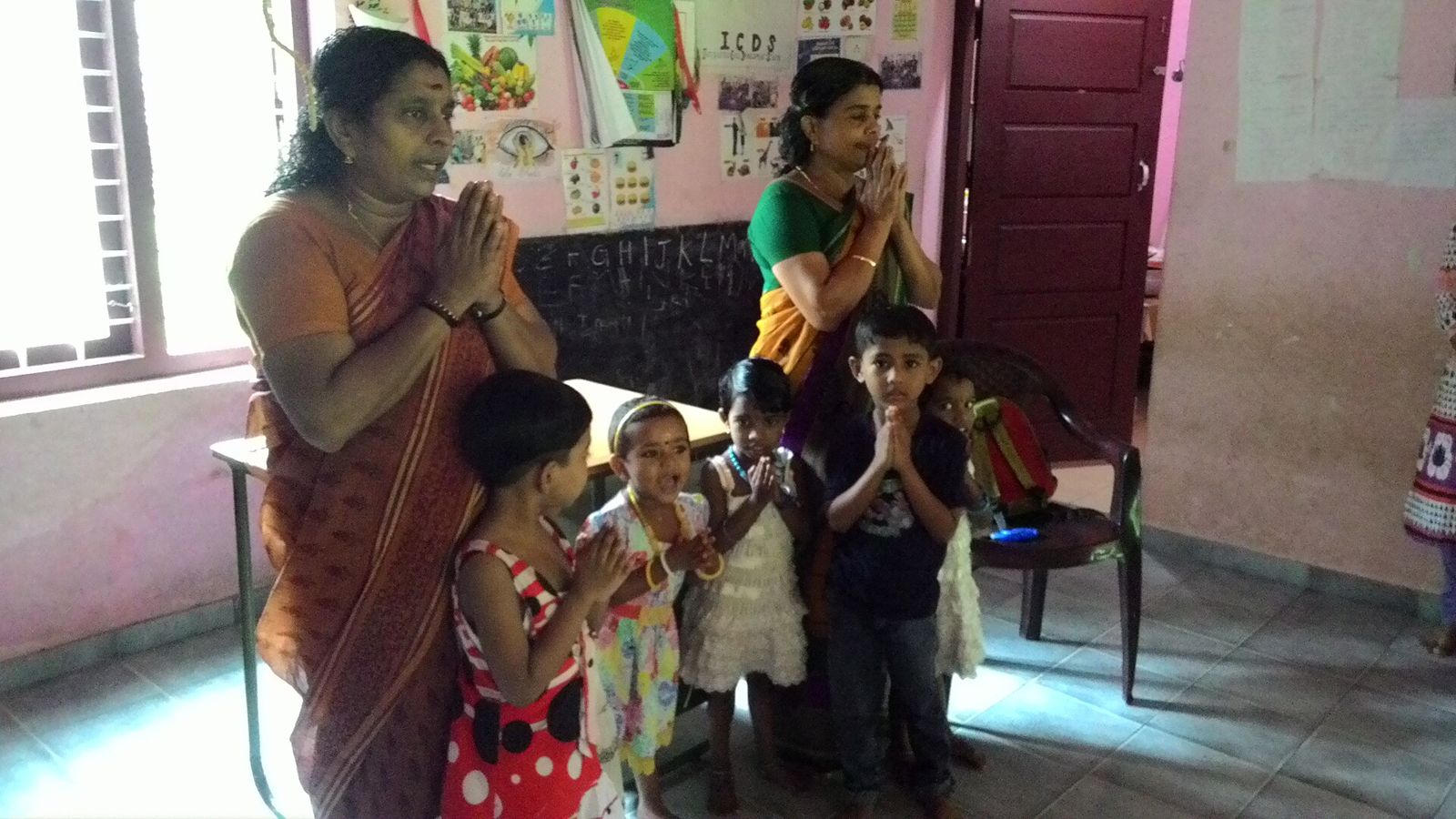
The first 1,000 days of life, from pregnancy to a child's second birthday, shape a lifetime of health, learning and earnings. Children who are stunted in this period carry the effects into adulthood, and the damage is largely irreversible after age two. That makes early nutrition one of the most cost-effective investments any funder can make.
The scale of the challenge in Bihar
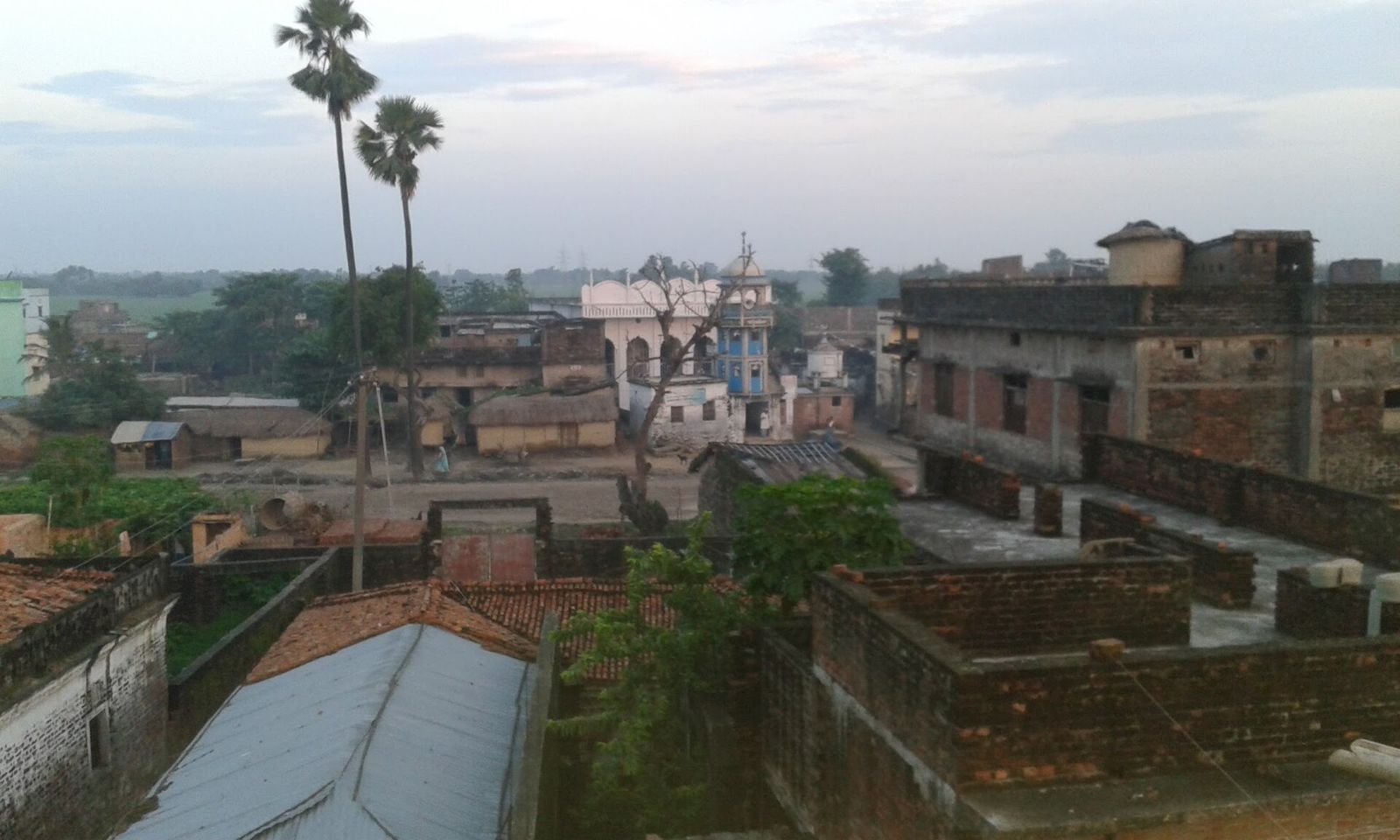
According to the National Family Health Survey (NFHS-5, 2019-21), in Bihar:
- 42.9% of children under five are stunted;
- 41.0% are underweight;
- 69.4% of children aged 6-59 months are anaemic; and
- 63.5% of women aged 15-49 are anaemic.
These are among the highest rates of any Indian state.
What CSR can fund
Strengthening anganwadi centres
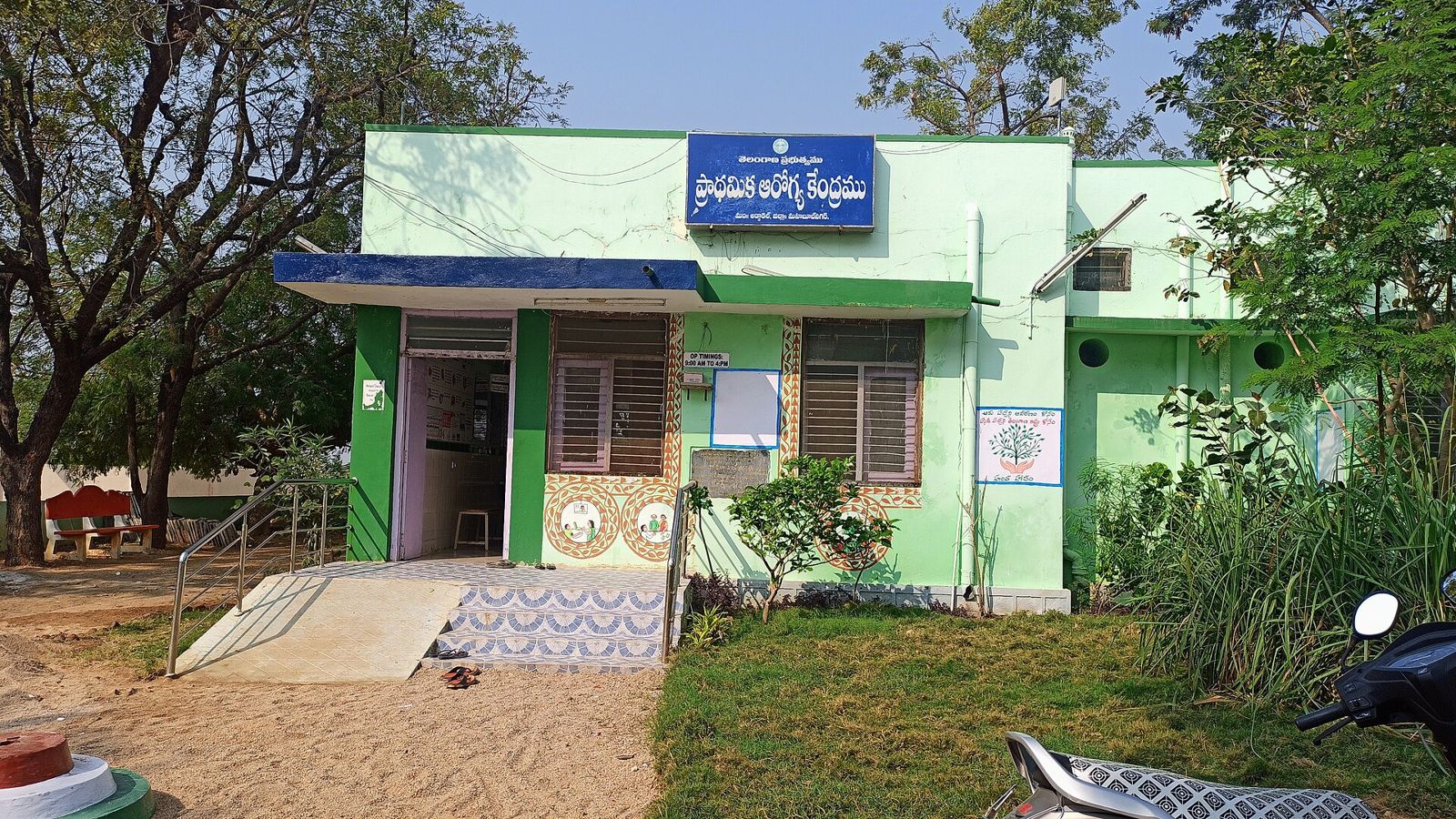
Anganwadis are the front line of India's child nutrition system. CSR can equip them with weighing scales and growth charts, improve the buildings, train workers, and add early-learning materials.
Maternal nutrition and counselling
Home visits and group sessions for pregnant women and new mothers, covering diet, breastfeeding and complementary feeding, are low-cost and high-impact.
Anaemia test-and-treat
Screening adolescent girls and women, supplementing them with iron and folic acid, and tracking follow-up can reduce anaemia within a programme cycle.
Nutrition gardens and fortified food
Kitchen gardens and fortified take-home rations improve dietary diversity, especially during flood seasons, when food access drops.
Measuring what matters
Good nutrition programmes track outcomes (stunting, wasting and anaemia rates) against a baseline, not just the number of kits distributed. See outcomes versus outputs.
Orvys's Poshan Bihar programme model adopts 50-100 anganwadis in one aspirational district for three years. Talk to us about funding it.