CSR in Healthcare: Strengthening Primary Health Centres
Why primary healthcare is where CSR health budgets can achieve the most, and how to design PHC upgrade, mobile clinic and screening programmes.
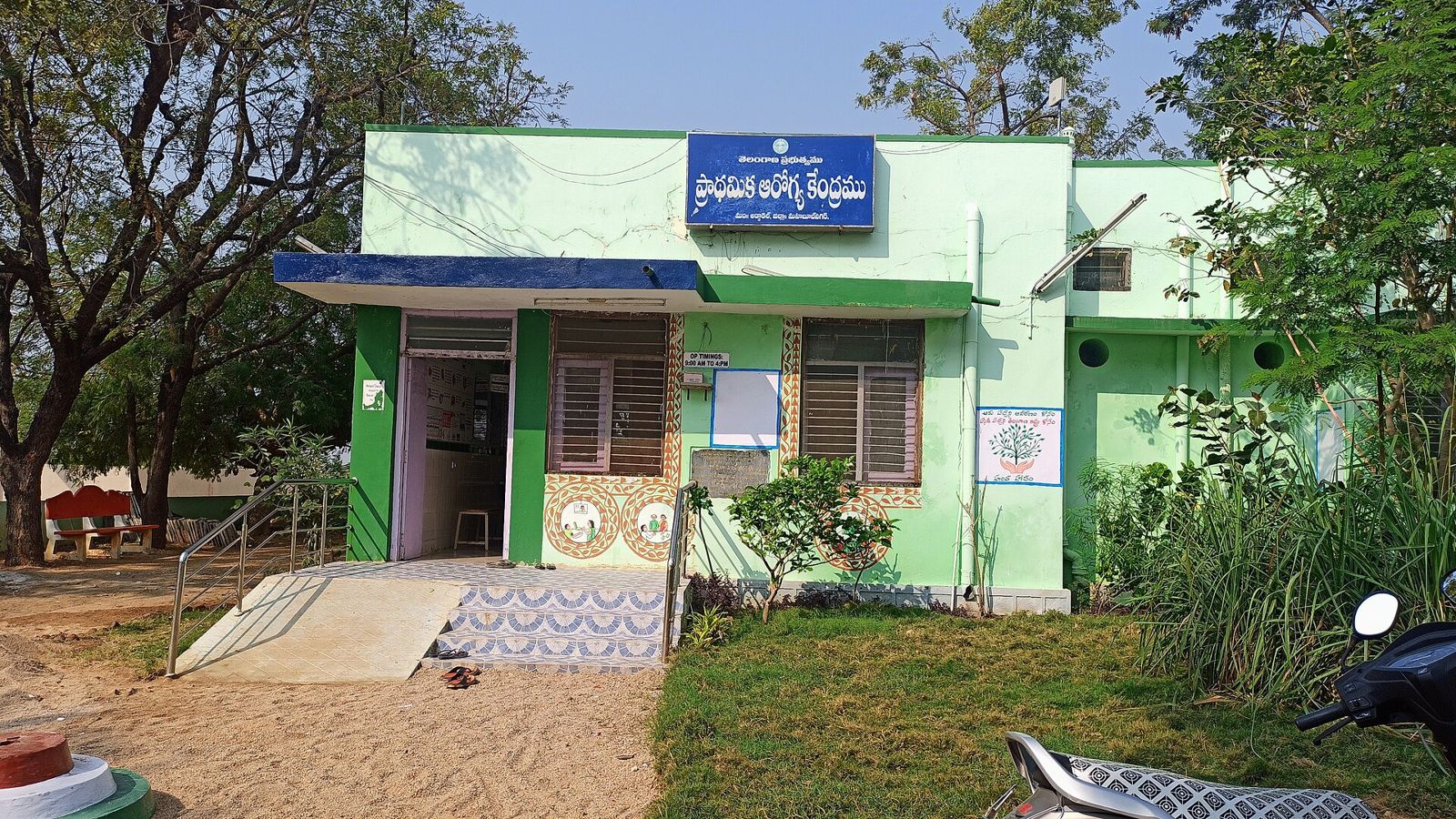
Healthcare and sanitation take one of the largest shares of India's CSR spending. Much of it funds hospital equipment in cities. But for most rural families, the health system begins and often ends at the primary health centre (PHC) and the sub-centre.
Why primary care
- Most common illnesses, maternal care and screening can be handled at primary level.
- Strong primary care prevents expensive hospitalisation and long journeys to cities.
- Rural PHCs often lack diagnostics, equipment and staff, which are gaps CSR can fill quickly.
High-impact CSR health interventions
PHC and health centre upgrades
Diagnostic equipment, a basic laboratory, telemedicine links to specialists, solar power, and clean water and toilets.
Mobile medical units
Vans, or in flood-prone areas boats, that bring doctors, medicines and tests to remote villages on a fixed schedule.
Screening for non-communicable diseases
Camps for diabetes, hypertension, oral, breast and cervical cancer, and eye care, linked to follow-up treatment.
Training frontline health workers
ASHA and ANM workers are the backbone of rural health. Training and digital tools multiply their impact.
Working with the government
Health is a state subject, and PHCs are government facilities. The best CSR health programmes are designed with the district health society, so that upgrades are maintained and staffed after the project ends.
Orvys's Swasth Gaon model upgrades one PHC per block into a model hub with a mobile clinic. Learn more.