Safe Drinking Water CSR: Tackling Arsenic in the Ganga Belt
Arsenic-contaminated groundwater affects districts along the Ganga in Bihar. How CSR water projects can deliver safe water that lasts.
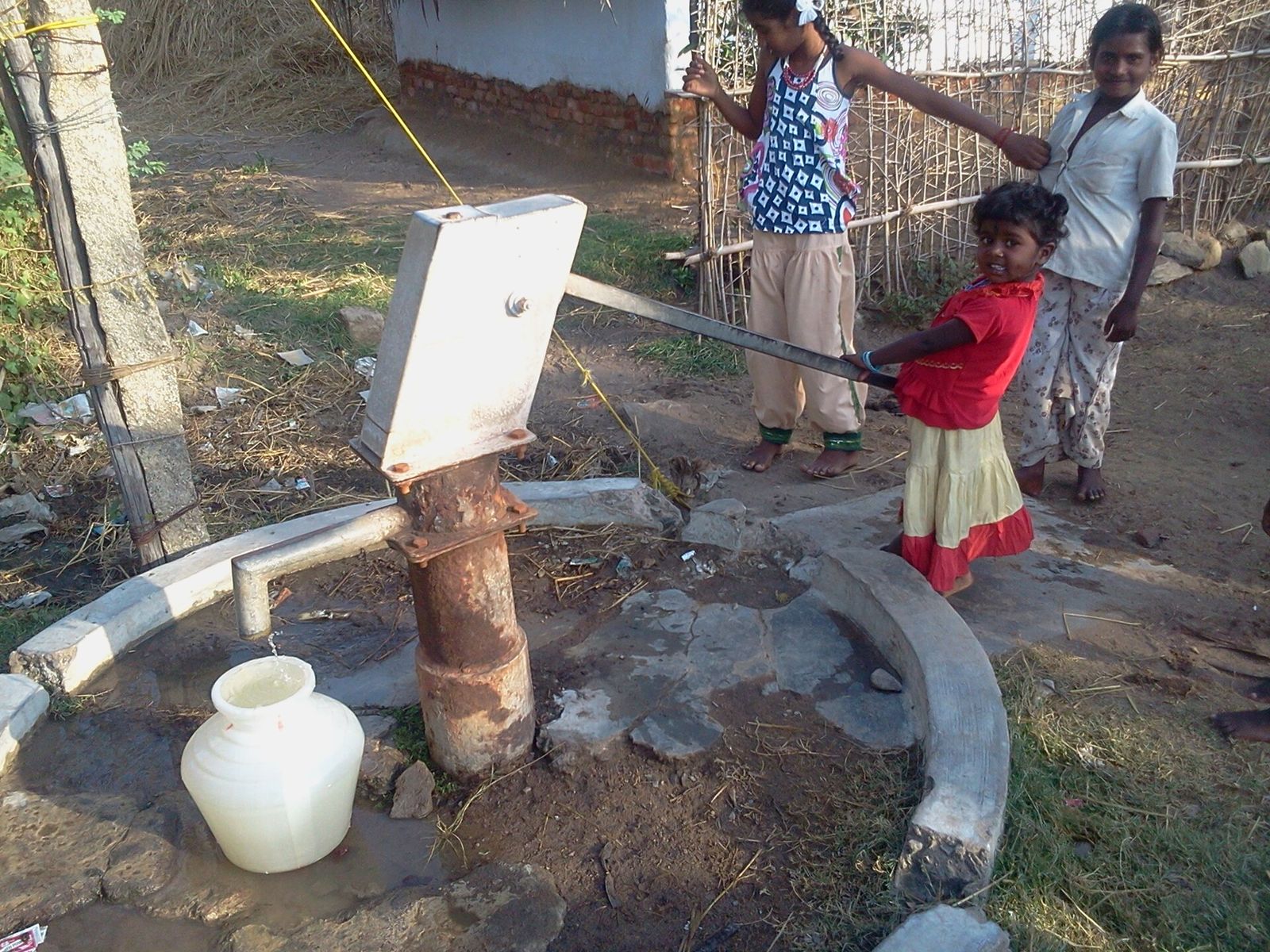
Piped water now reaches far more Indian households than a decade ago. But water quality remains a serious and often invisible problem. In parts of Bihar, groundwater along the Ganga contains naturally occurring arsenic above safe limits.
The arsenic problem
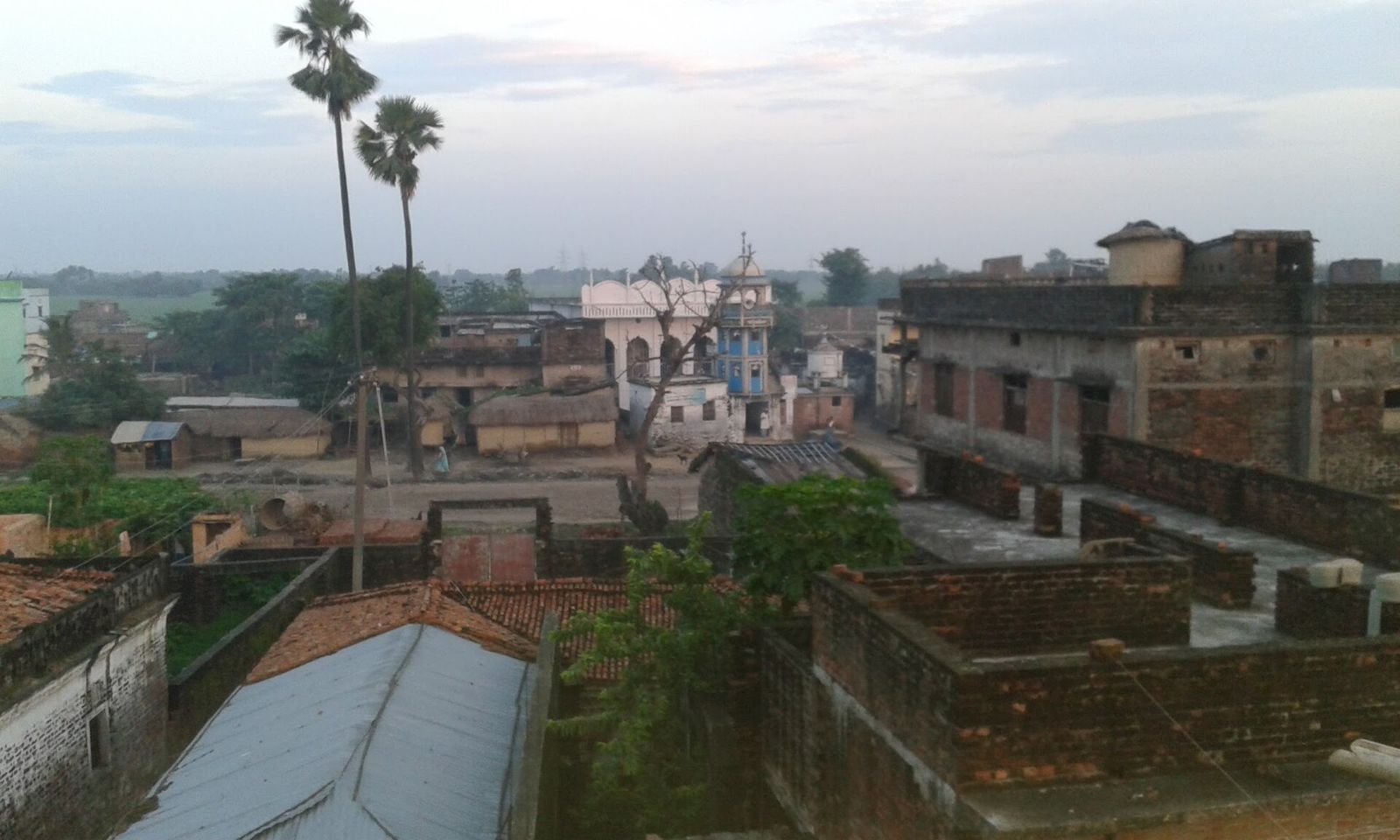
Long-term exposure to arsenic causes skin lesions, several cancers and damage to vital organs. In Bihar, affected areas lie mainly along the Ganga, in districts including Bhojpur, Buxar, Patna, Vaishali, Begusarai and Bhagalpur. Other parts of the state face fluoride or iron contamination, and floods regularly pollute hand pumps and wells.
Why many water projects fail
Countless water plants installed under CSR stop working within a few years. Common reasons:
- no one is paid or trained to maintain them;
- no budget for filters and spare parts; and
- no community ownership.
Designing water CSR that lasts
- Test first. Map contamination before choosing a technology.
- Choose the right treatment: arsenic removal, RO or simple filtration, depending on the water.
- Build a business model. A local entrepreneur or SHG runs the plant and charges a small, affordable fee that covers upkeep.
- Monitor quality regularly, with trained village water monitors.
- Add WASH in institutions: safe water and toilets in schools and anganwadis.
Safe drinking water and sanitation are explicitly covered under Schedule VII. Orvys's Shuddh Jal model sets up 20-40 community water plants that pay for their own upkeep. Learn more.