CSR in Education: Why Foundational Literacy Should Come First
Many CSR education budgets go to buildings and scholarships. The evidence points to early-grade reading and maths as the highest-impact investment.
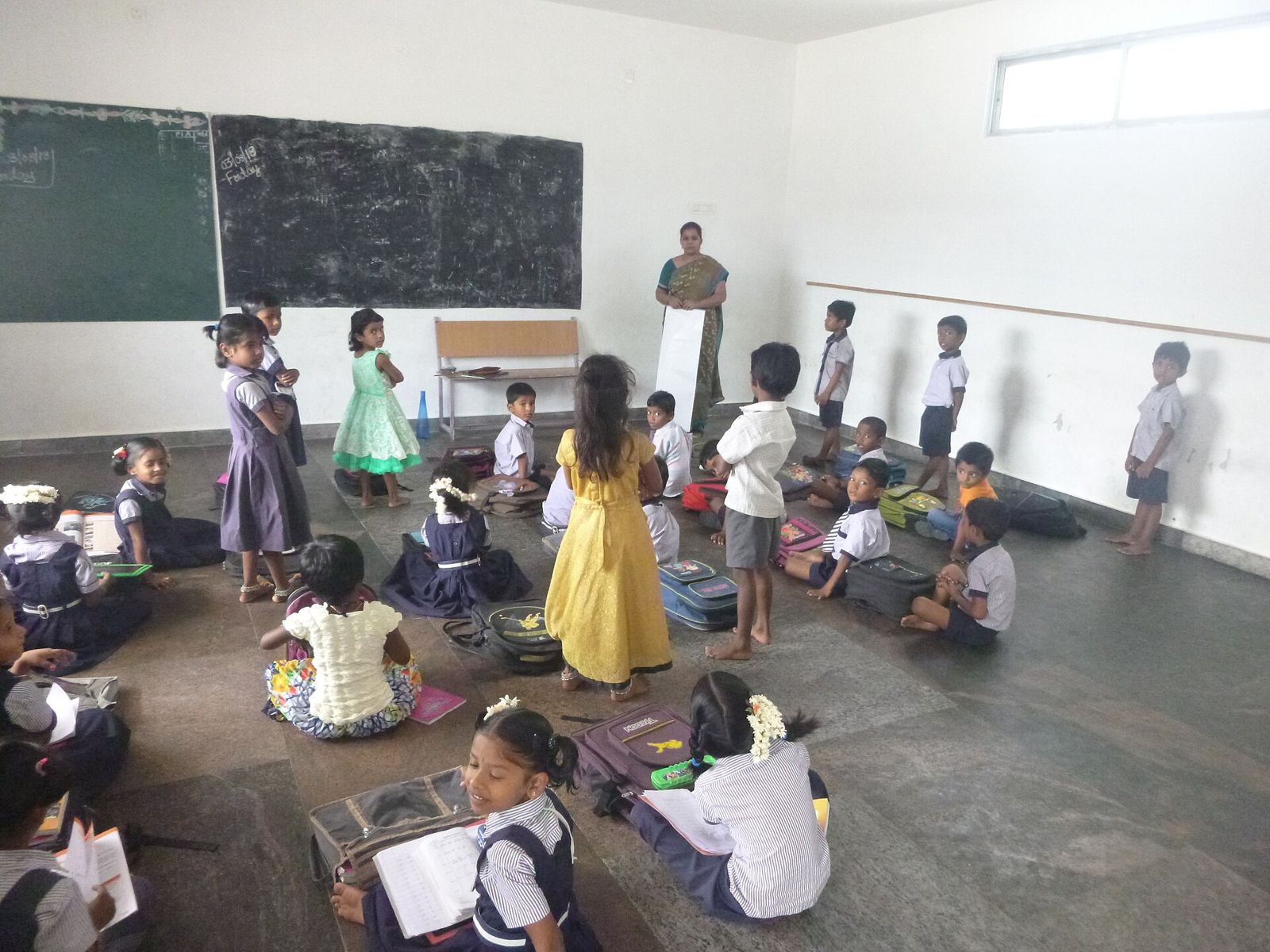
Education is the single largest category of CSR spending in India. Yet much of it goes to infrastructure, scholarships and digital classrooms. These are all useful, but they often miss the most important problem: many children in the early grades are not learning to read and count.
The foundational learning gap
Enrolment in India is now near-universal. But surveys have repeatedly shown that large numbers of children reach class 5 unable to read a class 2 text or solve simple arithmetic. Gaps that open in classes 1-3 widen every year after that, because the rest of the curriculum assumes children can read.
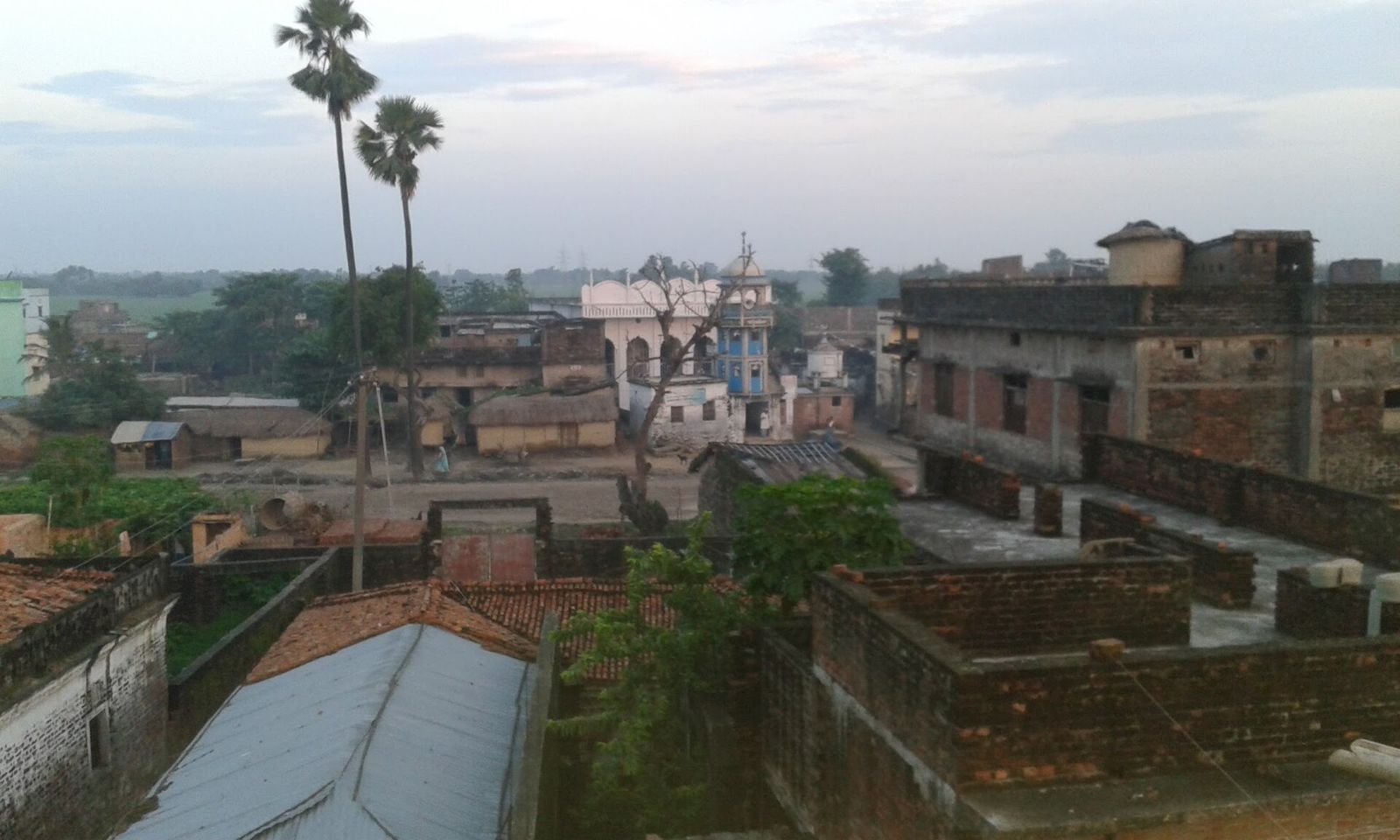
The challenge is especially acute in Bihar, which has India's lowest literacy rate: 61.8% overall and 51.5% for women (Census 2011).
NIPUN Bharat: the national goal
The government's NIPUN Bharat mission aims for every child to achieve foundational literacy and numeracy by the end of class 3. CSR programmes aligned with it can work alongside state education departments rather than in parallel.
What works
- Teaching at the right level: grouping children by learning level rather than by grade for part of the day.
- Structured lesson plans and materials for teachers.
- Regular, simple assessments to track each child's progress.
- Community and parent involvement, including reading camps and libraries.
Designing a CSR programme
- Choose a block and cover all its primary schools, which makes it easier to measure and partner with the government.
- Run a baseline assessment of reading and maths.
- Work through the existing teachers, not around them.
- Measure learning outcomes at the end of each year.
Orvys's Padho Bihar model costs roughly ₹75 lakh to ₹1.5 crore per block per year. Get in touch to design one with us.